
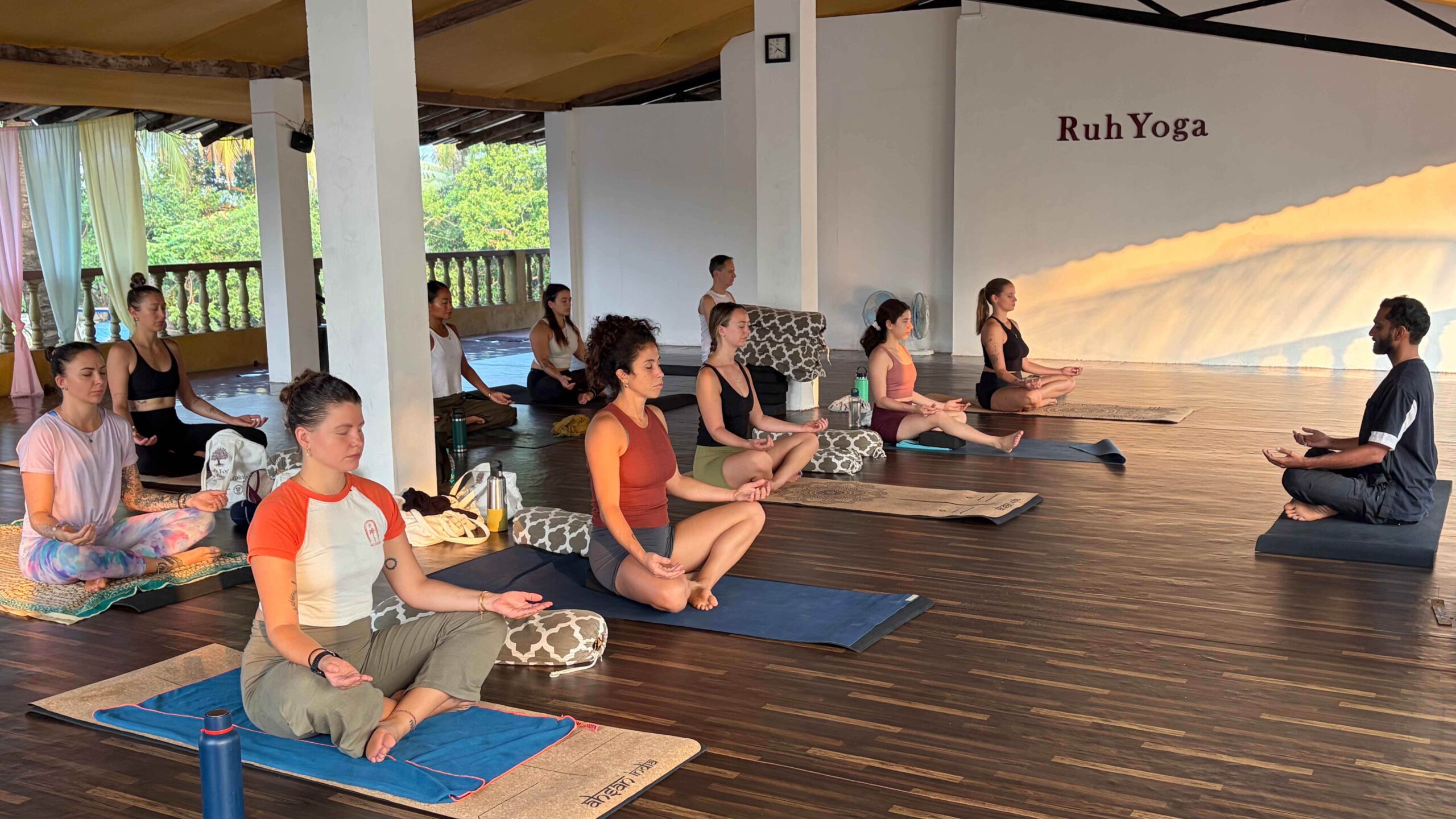
How to Build a Daily Yoga Practice: A Guide for Beginners
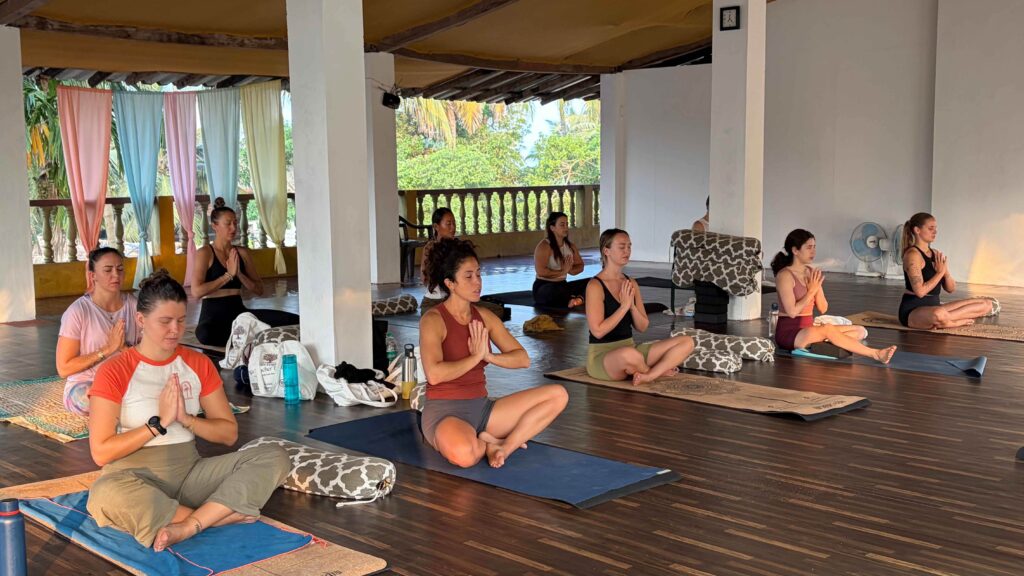
Yoga is not only something we practise during a class. With time, it can become a regular part of our daily lives, helping us develop greater awareness of the body, breath and mind.
Building a daily yoga practice does not mean spending hours on the mat or performing advanced postures. It begins with consistency, patience and an understanding of what your body needs.
Whether you are new to yoga or have been practising for some time, a balanced routine can include asana (postures), pranayama (breathing practices) and meditation. The aim is to create a practice that is realistic, sustainable and suited to your experience.
In this guide, we explore how to begin, how long to practise and how to bring different aspects of yoga into your daily routine. If you are planning to join a residential yoga teacher training, you may also find our 200-Hour Yoga Teacher Training Preparation Guide
1. Start with a Realistic Routine
One of the most common mistakes when starting yoga is trying to do too much too soon. A long or demanding routine may be difficult to maintain, especially if you are balancing work, family and other responsibilities.
Begin with a manageable amount of time. Even 15–20 minutes of mindful practice can be a useful starting point.
You could include:
- A few minutes of gentle warm-up movements
- Simple standing or seated asanas
- A short period of comfortable breathing practice
- A few minutes of quiet observation or meditation
As your routine becomes more familiar, you can gradually increase the duration or include additional practices.
The important thing is to develop a routine you can return to regularly, rather than aiming for perfection every day.
2. Include Asana in Your Daily Yoga Practice
Asana is the physical aspect of yoga that most people are familiar with. It involves practising postures with attention to alignment, stability, movement and breath.
A balanced asana routine does not need to be complicated. It can include movements that gently prepare the body, postures that develop strength and stability, and positions that encourage relaxation.
For a simple routine, you might include:
- Gentle warm-up movements for the joints
- Standing postures to develop strength and balance
- Seated postures for mobility and awareness
- Gentle forward bends and twists, according to your ability
- A comfortable relaxation at the end
Avoid forcing your body into a posture. Work within a comfortable range and make adjustments when needed.
If you are interested in understanding the foundations of postures and traditional practice, read our guide to What Is Hatha Yoga?.
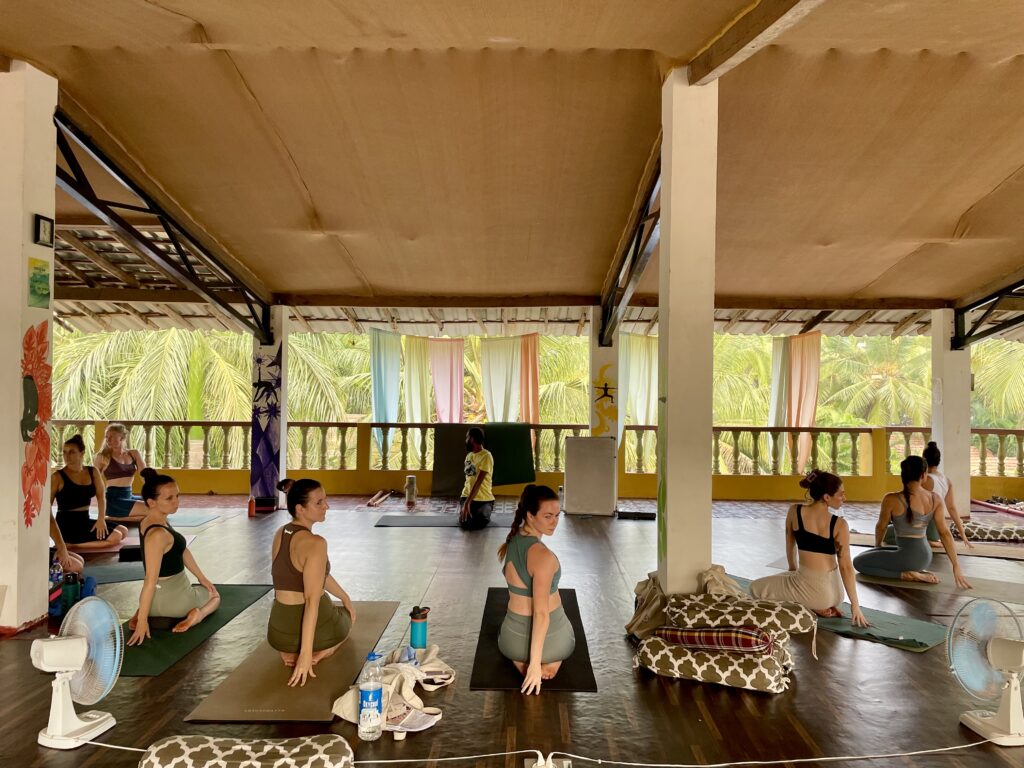
3. Make Time for Pranayama
Pranayama is an important part of traditional yoga practice. It involves working consciously with the breath through specific techniques and an attentive approach to breathing.
Many people focus mainly on asana and overlook pranayama. However, breath awareness can help make a yoga routine more complete.
Beginners can start by sitting comfortably and observing the natural flow of the breath without trying to control it.
As your understanding develops, you may learn simple breathing techniques under the guidance of a knowledgeable teacher.
A few points to remember:
- Sit in a comfortable and steady position.
- Keep the breath relaxed and avoid unnecessary strain.
- Begin with simple techniques rather than advanced practices.
- Learn unfamiliar pranayama techniques from a qualified teacher.
- Stop if you feel dizzy, uncomfortable or unwell.
Not every breathing technique is suitable for everyone. Advanced practices, breath retention and forceful breathing should be learnt with appropriate guidance.
4. Include Meditation, Even for a Few Minutes
Meditation does not always require sitting for a long time. For beginners, a few minutes of quiet observation can be a useful beginning.
After your asana or pranayama practice, find a comfortable seated position. Allow the body to settle and bring your attention to the natural breath.
When thoughts arise, notice them without becoming involved in every thought. Gently return your attention to the breath.
You can begin with five minutes and gradually increase the time as you become more comfortable.
The purpose is not to force the mind to become completely empty. It is to develop the ability to observe your thoughts and experiences with greater awareness.
5. How Long Should You Practise Yoga Each Day?
There is no single duration that suits everyone. Your routine can depend on your experience, available time, energy levels and personal goals.
Here are three possible starting points:
A short practice — 15 minutes
- 5 minutes of gentle movement
- 5 minutes of simple asana
- 5 minutes of breathing or quiet observation
A balanced practice — 30 minutes
- 5 minutes of warm-up
- 15 minutes of asana
- 5 minutes of pranayama
- 5 minutes of meditation or relaxation
A longer practice — 45–60 minutes
- 10 minutes of preparation and warm-up
- 20–25 minutes of asana
- 10 minutes of pranayama
- 5–10 minutes of meditation or relaxation
These are examples, not fixed prescriptions. Adjust the routine to your needs, and allow enough time for rest and recovery.
6. Choose a Time That Works for You
Many practitioners prefer practising in the morning because it gives them time to focus before the day becomes busy. Others find that an afternoon or evening practice fits their routine better.
The best time is one that you can maintain comfortably.
If you practise in the morning, allow yourself time to wake up and prepare. If you practise later in the day, choose a time when you are not rushed or immediately distracted by other responsibilities.
Try to practise in a quiet, reasonably ventilated space where you can move comfortably.
7. Listen to Your Body and Allow Time for Rest
A regular yoga practice should not become a daily physical challenge.
Some days you may feel energetic and ready for a stronger practice. On other days, gentle movements, breathing awareness or relaxation may be more appropriate.
Pay attention to:
- Fatigue and energy levels
- Discomfort or pain
- Changes in flexibility and mobility
- The quality of your breathing
- Your need for rest and recovery
Avoid pushing through pain or comparing your progress with others. If you have an injury or a health concern, seek appropriate professional advice before beginning or changing your practice.
Rest is also an important part of a sustainable routine.
8. Practise with Guidance When Needed
Books and online resources can introduce you to yoga, but learning from an experienced teacher can help you understand alignment, modifications and the correct approach to different practices.
This is particularly important when learning pranayama, unfamiliar postures or more advanced techniques.
If attending a studio is not convenient, live online classes can offer an opportunity to practise with a teacher and receive guidance from home.
At Ruh Yoga, we offer live online yoga classes through guided sessions, with flexible timings and options for group or private practice.
For those who prefer an immersive learning environment, studying yoga in person offers another way to develop a deeper understanding of the practice.
9. Deepen Your Understanding of Yoga in Goa
For some practitioners, developing a regular personal practice leads to a desire to understand yoga more deeply.
A residential Yoga Teacher Training Course offers time to study different aspects of yoga, including asana, pranayama, meditation, philosophy, anatomy and teaching methodology.
At Ruh Yoga in Agonda, South Goa, the 200-Hour Yoga Teacher Training in Goa is designed for students who wish to become yoga teachers as well as those who want to deepen their personal practice.
The programme includes Hatha Yoga, Ashtanga Yoga, Vinyasa Flow, pranayama, meditation and yoga philosophy. It provides an opportunity to study and practise yoga within a structured residential environment.
You can also view our course schedule and fees to learn more about upcoming training dates.
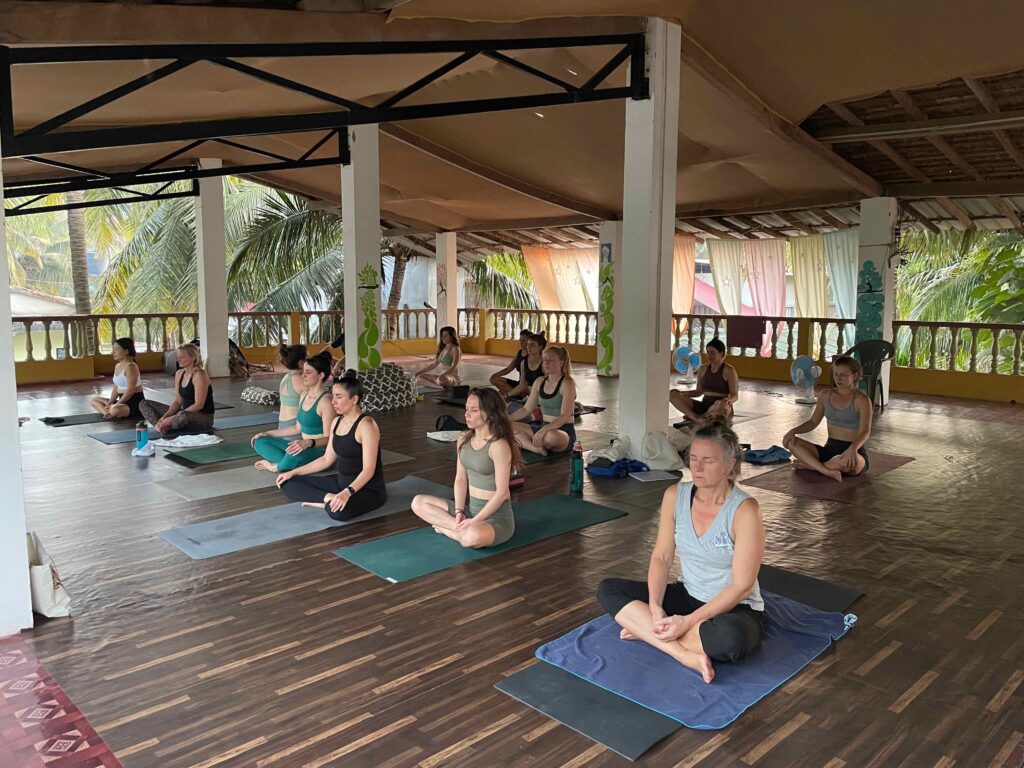
10. Make Yoga Part of Everyday Life
Yoga does not end when you roll up your mat.
The awareness developed through practice can gradually influence how you move, breathe, respond to situations and relate to the people around you.
You can bring small moments of awareness into everyday activities:
- Notice your posture while sitting or working.
- Take a few comfortable, conscious breaths during a busy day.
- Be aware of your movements while walking.
- Give yourself a moment of stillness before reacting to a stressful situation.
- Make time for rest and a balanced routine.
These small habits do not replace a structured yoga practice, but they can help you carry some of its principles beyond the mat.
Frequently Asked Questions
Can I practise yoga every day as a beginner?
Yes, provided the practice is suitable for your experience and physical condition. Beginners can start with short, gentle sessions and gradually develop their routine. You do not need to practise intensely every day.
Is 20 minutes of yoga a day enough?
Twenty minutes can be a useful starting point. You can include gentle asana, breathing awareness and a short period of relaxation. The right duration depends on your needs and experience.
Should I practise yoga in the morning or evening?
Both can work. Morning practice suits people who prefer to begin the day with movement and awareness, while evening practice may help others create a regular routine after work. Choose a time you can maintain.
Should I do pranayama before or after asana?
A common approach is to practise asana first, followed by pranayama and meditation. However, the order can vary according to the technique, the practitioner’s experience and the guidance of the teacher.
Can I learn yoga through online classes?
Yes. Live online classes can provide guided practice and teacher interaction from home. Choose classes that suit your experience and allow you to ask questions about modifications and technique.
Do I need to be flexible to start yoga?
No. Flexibility is not a requirement for beginning yoga. A suitable practice can help you gradually develop mobility, strength, balance and body awareness.
Final Thoughts
Building a daily yoga practice is a gradual process. It is not about how many postures you can perform or how long you can stay on the mat. It is about developing a consistent relationship with your body, breath and mind.
Start simply, practise with awareness and allow your routine to develop naturally. Some days your practice may be physical, while on other days it may involve breathing, meditation or rest.
With patience and regularity, yoga can become more than a class or exercise routine. It can become a way of bringing greater awareness into everyday life.
At Ruh Yoga, we believe yoga is a lifelong practice that extends beyond the mat. Whether you choose to practise at home through guided online classes or deepen your understanding through residential yoga teacher training in Agonda, Goa, the journey begins with regular practice and an open mind.