What Is Hatha Yoga? A Complete Guide to Its Practice, Philosophy and Tradition
Hatha Yoga is one of the best-known branches of yoga, but the term is often misunderstood. In modern yoga studios, “Hatha Yoga” may describe a class of physical postures practiced at a slower pace. Traditionally, however, Hatha Yoga is much more than a sequence of yoga poses.
It is a systematic approach that brings together asana, pranayama, concentration, cleansing practices and other yogic disciplines to prepare the body and mind for deeper states of awareness.
The traditional teachings of Hatha Yoga developed through the Indian yogic tradition and were passed through teachers and lineages over centuries. Texts such as the Hatha Yoga Pradipika describe practices designed to purify, strengthen and balance the practitioner as preparation for meditation and higher yogic practices.
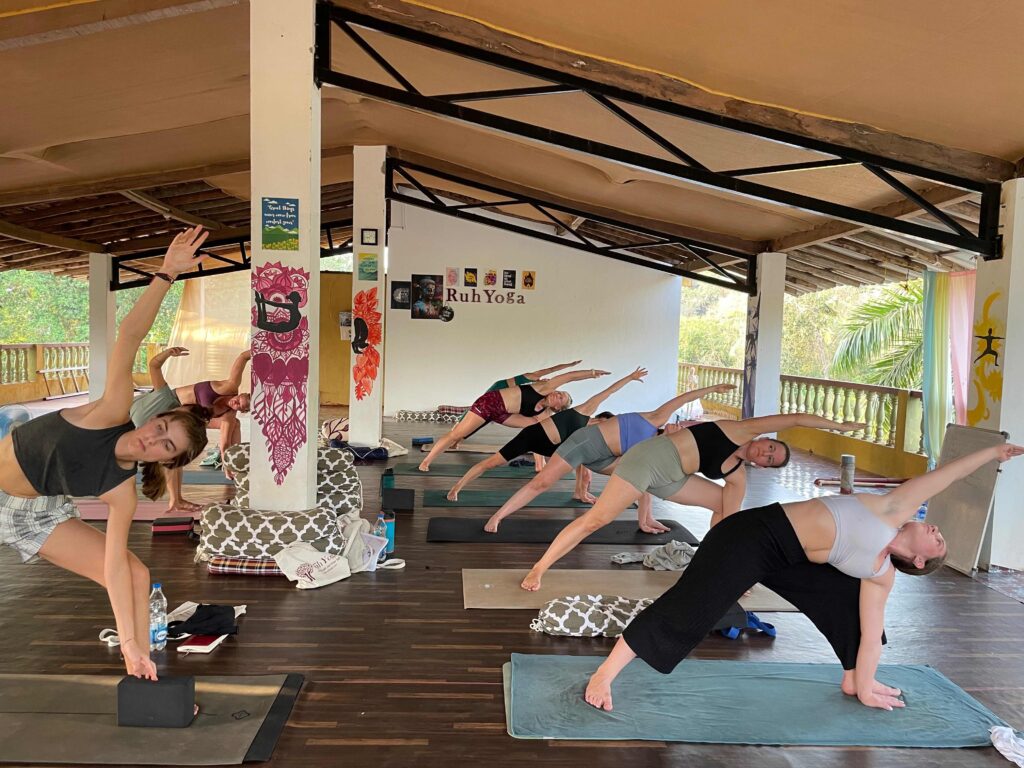
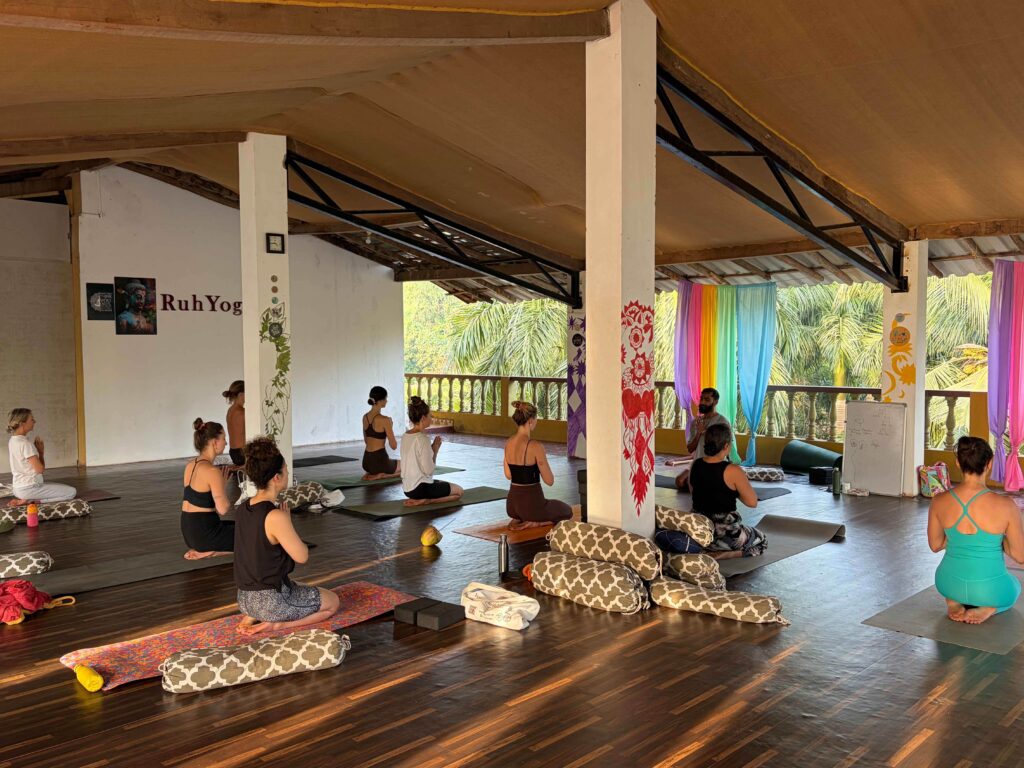
At Ruh Yoga, Hatha Yoga is taught as an important foundation of the practice, alongside Ashtanga Yoga, Vinyasa Flow, Pranayama, Meditation and Yoga Philosophy.
The Meaning and Tradition of Hatha Yoga
The word Hatha is commonly explained through the Sanskrit terms Ha and Tha, traditionally associated with the sun and moon.
In this understanding, Hatha Yoga represents the balancing of complementary forces within the practitioner.
The traditional approach is not simply about becoming more flexible or physically strong. It is about developing steadiness, awareness, discipline and balance through systematic practice.
Hatha Yoga therefore works with the body, breath and mind as interconnected aspects of practice.
What Does Traditional Hatha Practice Include?
Traditional Hatha Yoga developed as a practical system of yogic discipline in India.
Unlike the way the word Hatha is sometimes used today to describe a gentle or slow yoga class, traditional Hatha Yoga includes a wider range of practices.
These can include:
- Asana — physical postures
- Pranayama — regulation and awareness of the breath
- Mudra — symbolic or energetic gestures
- Bandha — yogic locks
- Shatkarma — cleansing practices
- Dharana — concentration
- Meditation
- Yogic discipline and self-observation
The purpose is not to perform as many postures as possible. The practices are traditionally used to prepare the practitioner for greater Awareness of the body, breath and mind.
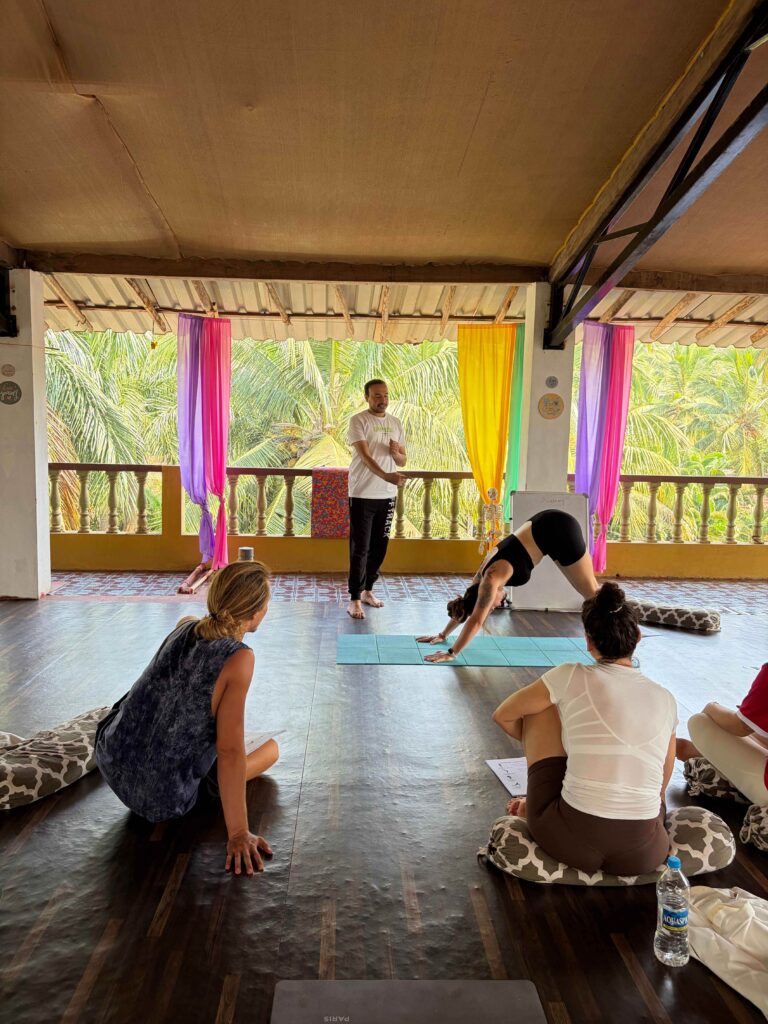
The Origins and Tradition of Hatha Yoga
Hatha Yoga has deep roots in the broader Indian yoga tradition.
One of the most influential texts associated with Hatha Yoga is the Hatha Yoga Pradipika, traditionally attributed to Swami Svatmarama. Other important texts associated with the Hatha tradition include the Gheranda Samhita and Shiva Samhita.
These texts describe yoga as a practical discipline involving much more than physical postures.
The Hatha tradition places importance on preparing the body and nervous system through disciplined practice so that the practitioner can progress towards concentration and meditation.
This is one reason it is important to understand Hatha Yoga beyond the modern idea of simply doing stretching exercises.
The Main Practices of Hatha Yoga
1. Asana
Asana refers to the physical postures of yoga.
In Hatha Yoga, postures are practised with attention to:
- Alignment
- Stability
- Breath
- Awareness
- Strength
- Mobility
- Ease and steadiness
The purpose is not simply to make the body flexible. A balanced asana practice develops greater awareness of the relationship between the body, breath and mind.
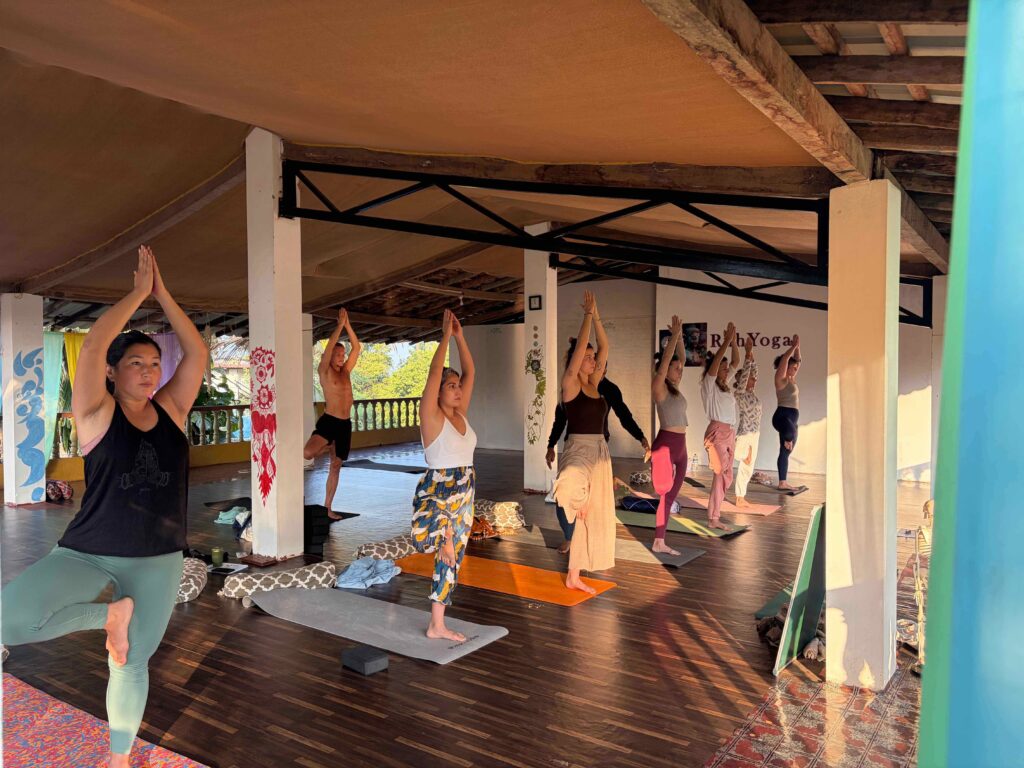
At Ruh Yoga, students learn the alignment and techniques of 80+ postures, along with modifications, sequencing and teaching principles as part of the 200-hour training
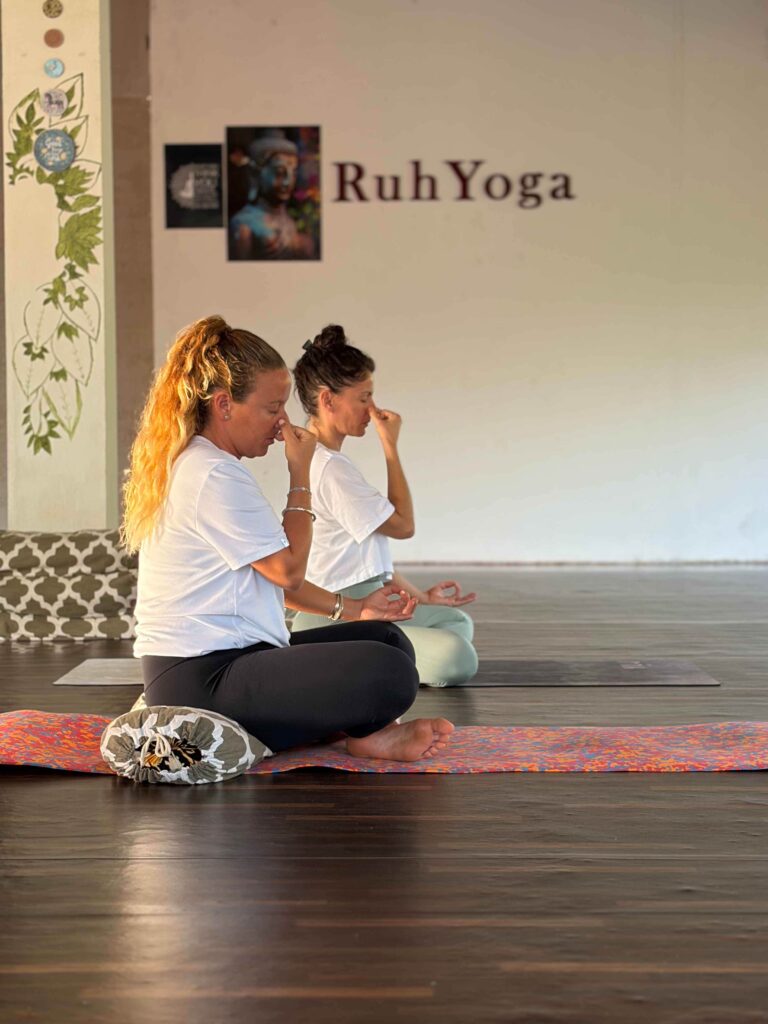
2. Pranayama
Pranayama refers to yogic practices involving the breath.
In traditional yoga, the breath is not treated simply as something that happens automatically. It becomes an important bridge between the body and the mind.
Through conscious breathing practices, practitioners develop greater awareness, steadiness and control.
Pranayama is therefore an important part of Hatha Yoga and is often practised before meditation.
3. Shatkarma — Yogic Cleansing Practices
Traditional Hatha Yoga also includes Shatkarma, a group of cleansing practices.
The Hatha Yoga tradition describes six categories of cleansing practices, traditionally including:
- Neti
- Dhauti
- Nauli
- Basti
- Trataka
- Kapalabhati
These practices are traditionally approached as preparation for deeper yogic practice.
They should not be treated as casual wellness techniques. Some require proper instruction from a qualified teacher and should be approached carefully.
4. Mudras and Bandhas
Mudras and bandhas are important elements of traditional Hatha Yoga.
Bandhas are traditionally described as yogic locks and include practices such as:
- Mula Bandha
- Uddiyana Bandha
- Jalandhara Bandha
They are practised with specific techniques and are traditionally connected with the regulation and direction of pranic energy.
Why Is Hatha Yoga Important?
Hatha Yoga provides a foundation for developing a more conscious relationship with the body, breath and mind.
A regular practice may help develop:
- Greater body awareness
- Strength and mobility
- Improved balance and coordination
- Better awareness of breathing
- Greater concentration
- Physical steadiness
- A more disciplined personal practice
However, Hatha Yoga should not be reduced to a list of physical benefits.
The traditional purpose of yoga goes deeper than physical fitness. The body becomes a vehicle through which awareness and self-understanding can develop.
Hatha Yoga and the Mind
One of the important principles of yoga is that physical practice and mental practice are not separate.
When you hold a posture with awareness, observe the breath and notice the reactions of the mind, the practice becomes an exercise in concentration.
You begin to observe:
- Where there is tension
- How the breath changes
- How the mind reacts to discomfort
- When effort becomes excessive
- When the body becomes steady
- How awareness changes from moment to moment
This is where Hatha Yoga becomes more than physical exercise.
Hatha Yoga vs Vinyasa Yoga
Hatha Yoga and Vinyasa Yoga share many postures, but the way they are practised can be different.
In a traditional Hatha-oriented practice, postures may be held for longer periods with greater attention to alignment, breath and awareness.
Vinyasa Yoga, on the other hand, generally places greater emphasis on linking movement and breath in a continuous sequence.
Neither approach needs to be viewed as better than the other.
Hatha can provide a strong foundation in posture, breath and awareness, while Vinyasa develops movement, transitions and creative sequencing.
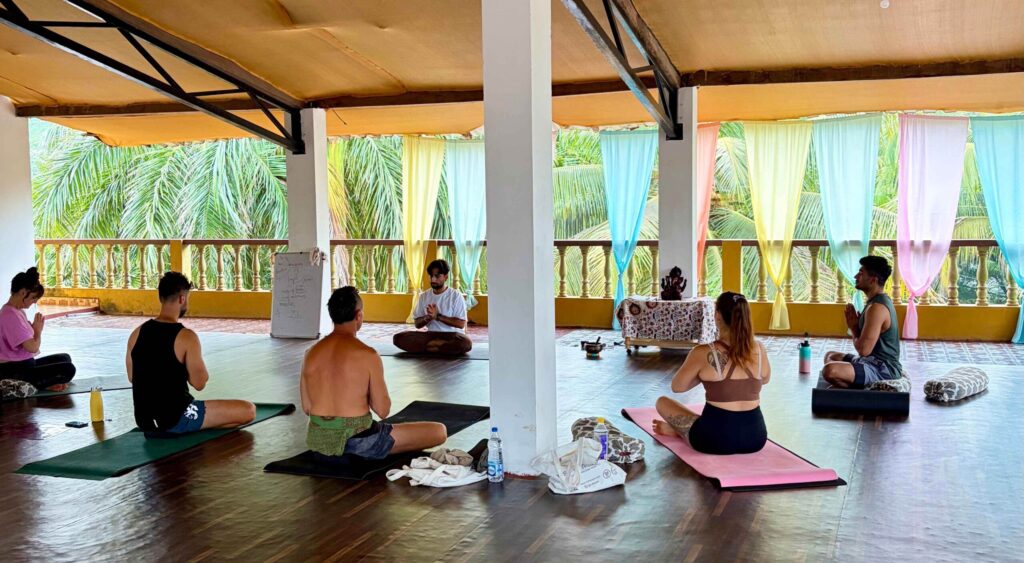
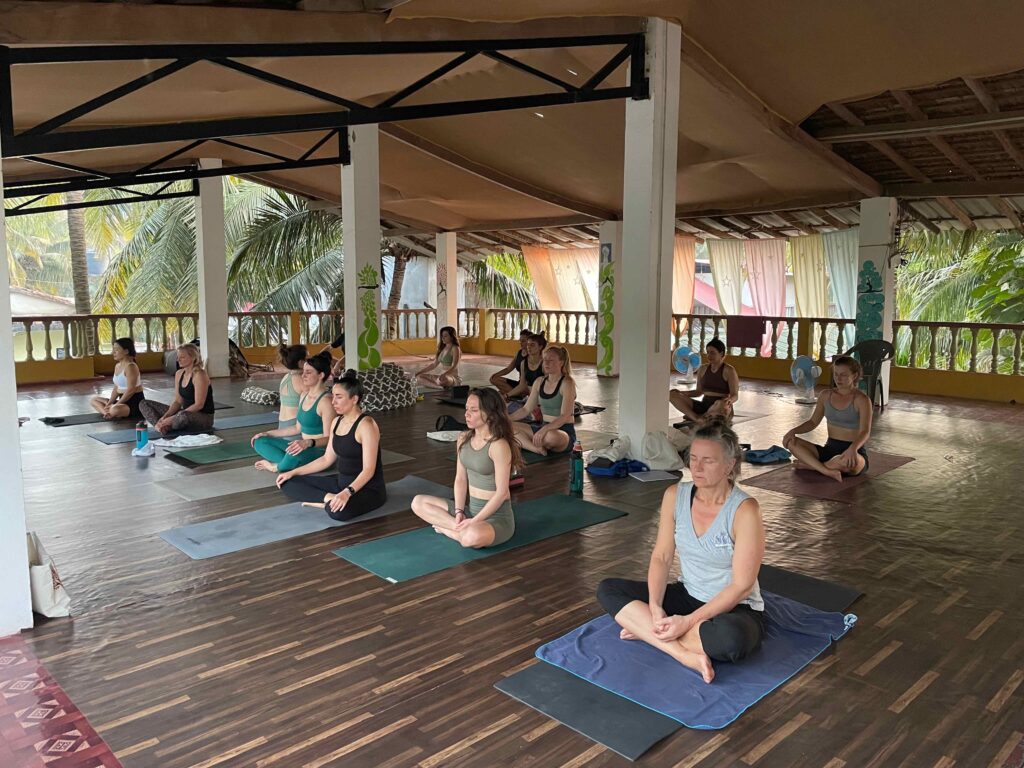
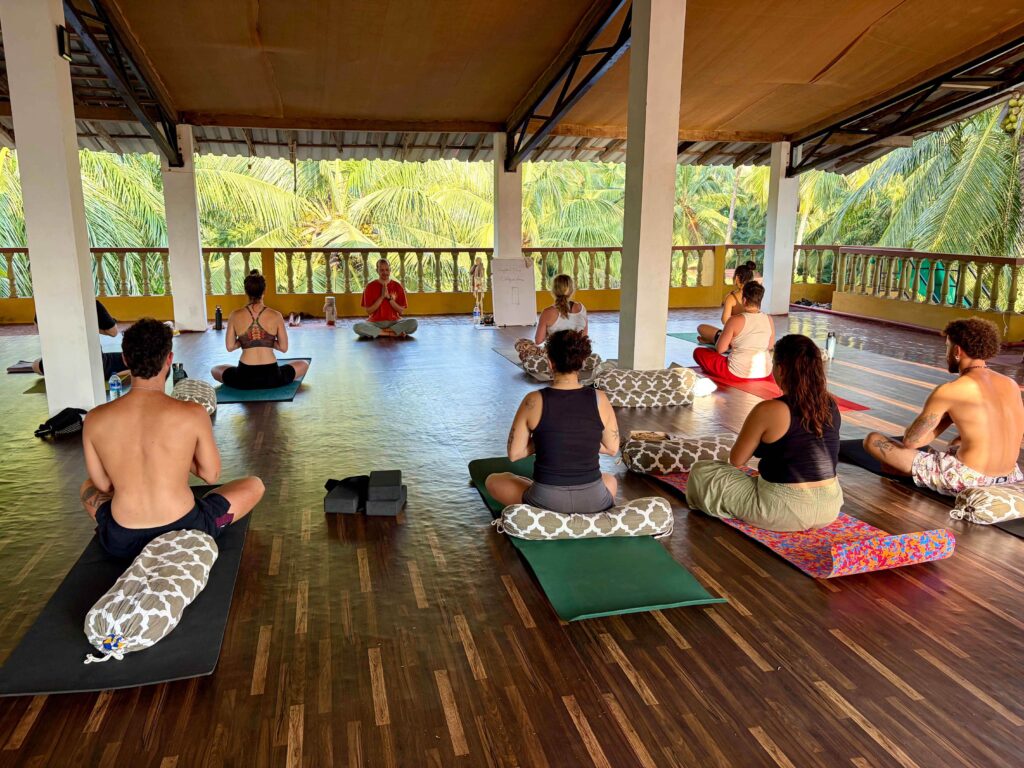
At Ruh Yoga, students experience both approaches as part of their teacher training. The Yoga Alliance Registered 200-hour program includes Hatha Yoga, Ashtanga Yoga and Vinyasa Flow, allowing students to understand different approaches to practice and teaching.
Hatha Yoga vs Ashtanga Yoga
Hatha Yoga and Ashtanga Yoga also share many traditional foundations, including asana, breath awareness and disciplined practice.
However, Ashtanga Vinyasa follows a more structured sequence and places particular emphasis on the relationship between breath and movement.
Ruh Yoga incorporates Ashtanga Yoga Mysore Style into its 200-hour teacher training alongside Hatha and Vinyasa practice.
This combination allows students to experience both a more alignment-focused Hatha approach and a dynamic, structured Ashtanga practice.
Is Hatha Yoga Suitable for Beginners?
Yes. Hatha Yoga can be suitable for beginners when the practice is appropriately adapted.
You do not need to be extremely flexible or physically advanced to begin.
A good teacher can modify postures according to a student’s experience, mobility and individual needs.
For beginners, the focus should be on:
- Learning correct foundations
- Understanding alignment
- Breathing comfortably
- Developing body awareness
- Progressing gradually
- Avoiding unnecessary strain
Yoga is a personal practice. The goal is not to compete with another person’s flexibility or physical ability.
How Often Should You Practise Hatha Yoga?
Consistency is generally more useful than occasional intensive practice.
A beginner might start with 20–30 minutes several times a week and gradually develop a longer practice according to their needs and schedule.
As your understanding develops, the practice can include asana, pranayama, meditation and other aspects of yoga.
The most important question is not simply, “How long did I practise today?”
It is also:
“How consciously did I practise?”
Hatha Yoga as a Foundation for Yoga Teacher Training
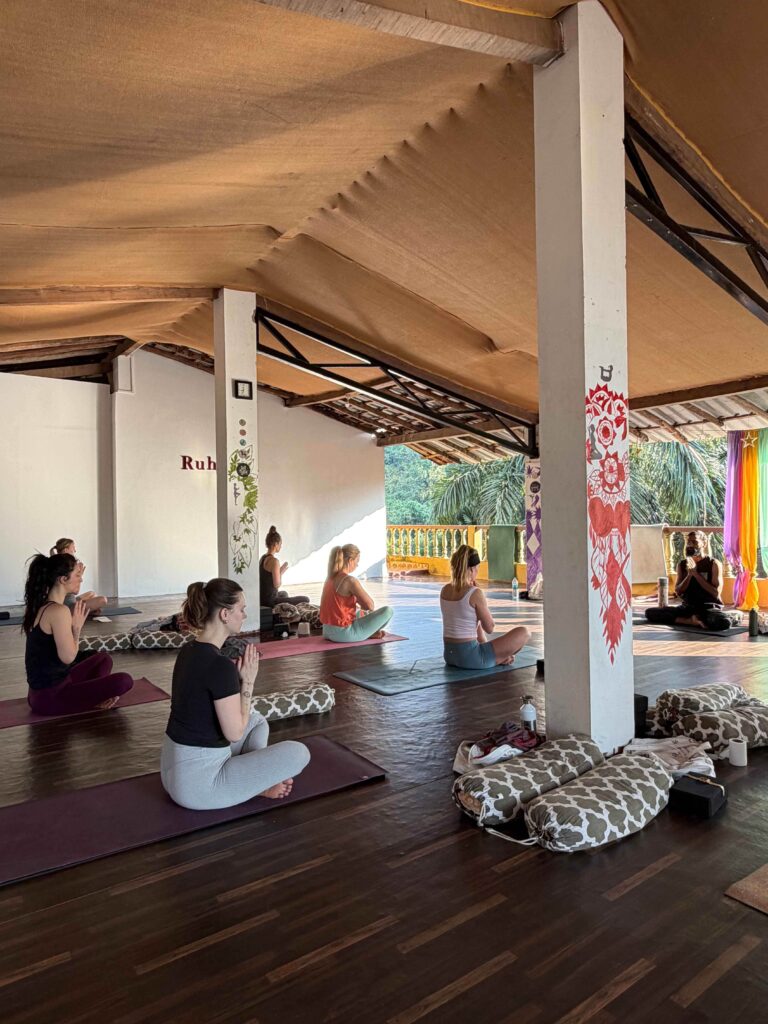
For students interested in becoming yoga teachers, understanding Hatha Yoga provides an important foundation.
Learning postures is only one part of becoming a teacher.
A teacher also needs to understand:
- Alignment
- Modifications
- Sequencing
- Breath
- Anatomy
- Teaching methodology
- Demonstration
- Verbal instruction
- Yoga philosophy
- The needs of different students
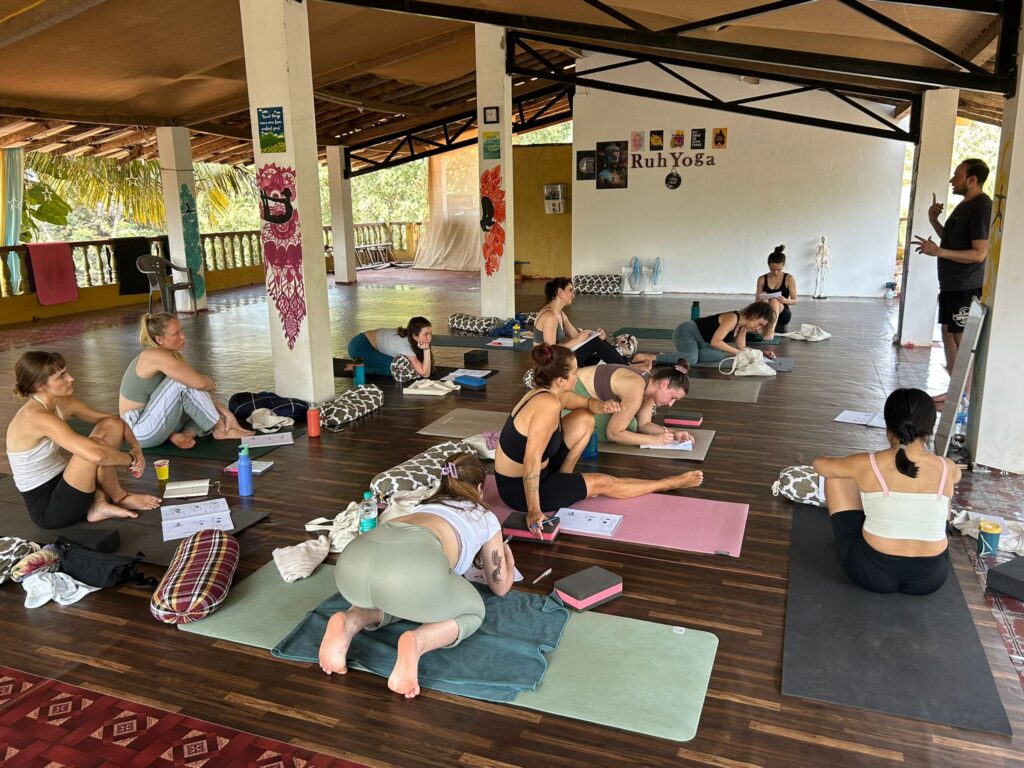
Ruh Yoga’s 200-hour Yoga Teacher Training in Goa includes Hatha Yoga practice, posture alignment and techniques, sequencing principles, props and modifications, Sanskrit names of asanas and teaching-related skills.
Learning Hatha Yoga in India,Goa
India has a long and diverse history of yoga traditions and teaching lineages.
For students interested in understanding yoga beyond modern fitness classes, studying in India can provide an opportunity to encounter yoga within the cultural environment where many of its traditions developed.
At Ruh Yoga, the emphasis is on making yoga practical and approachable while respecting its traditional roots. The school teaches Hatha, Vinyasa and Ashtanga alongside philosophy, pranayama, meditation and anatomy.
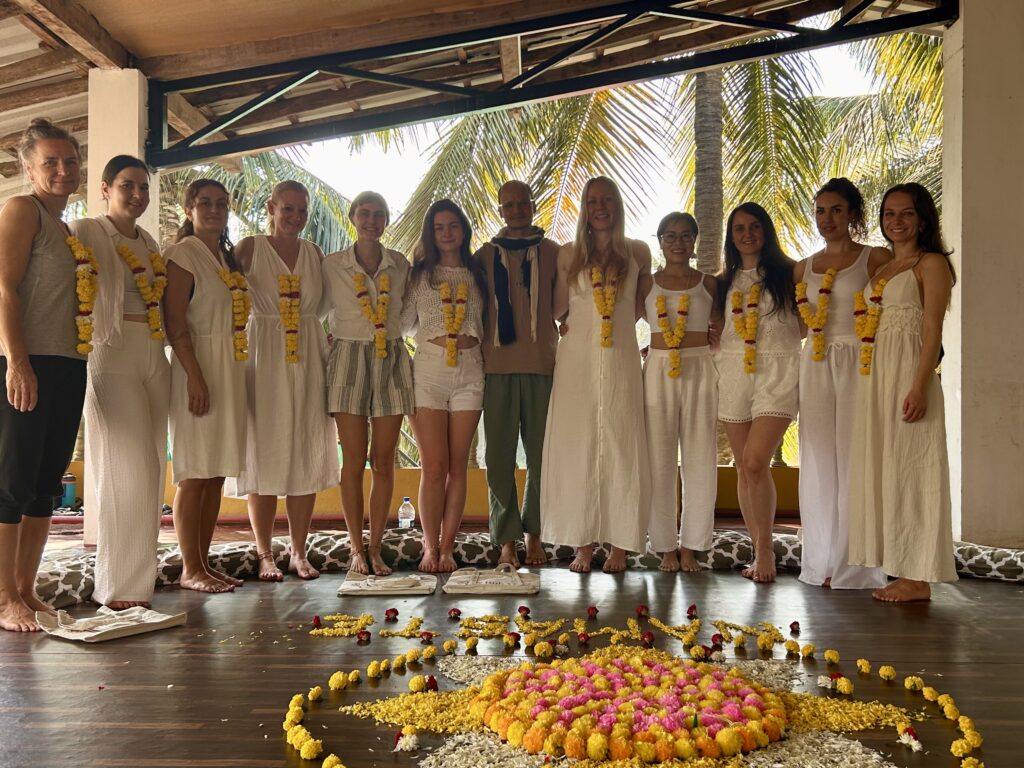
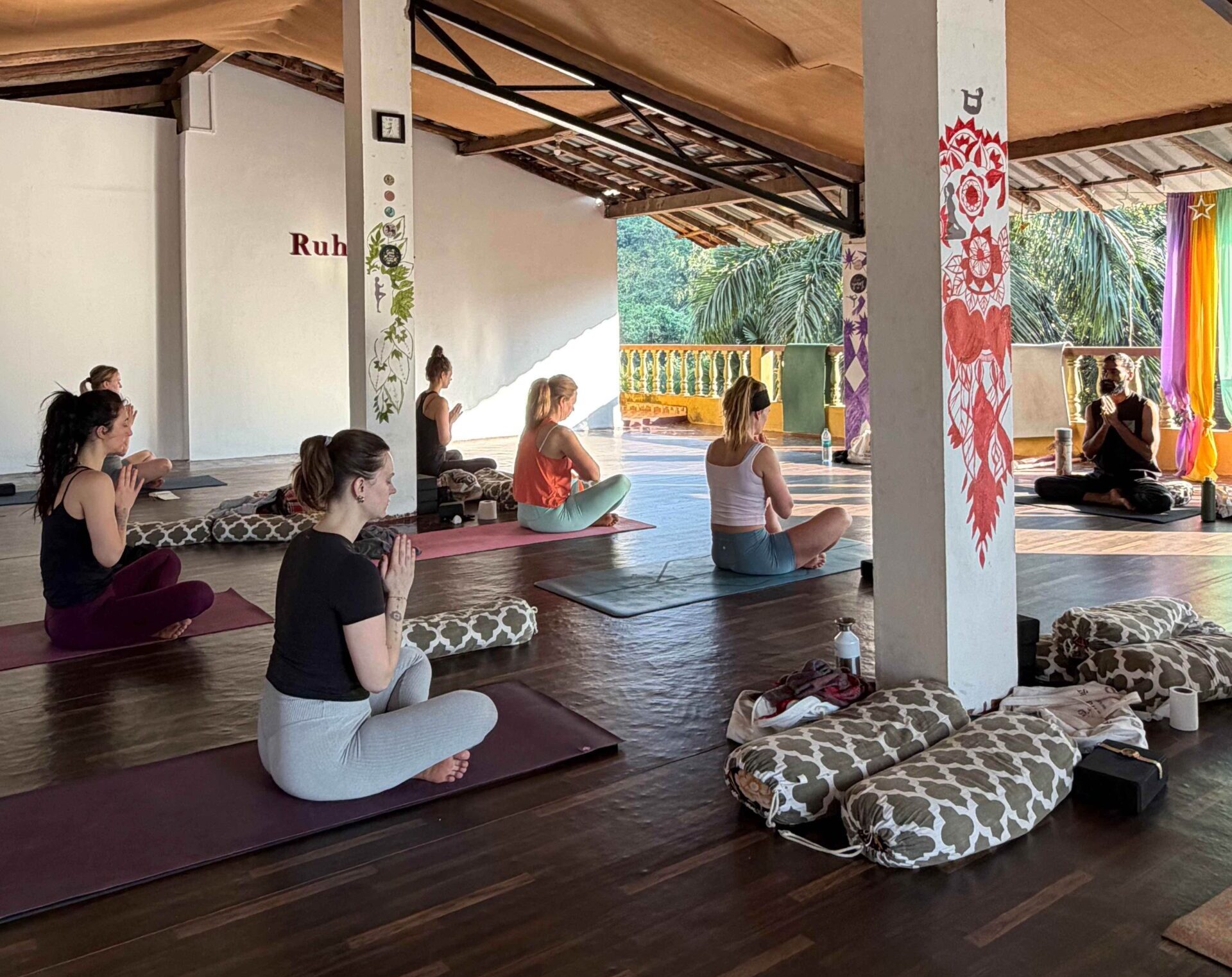
Ruh Yoga’s 200-hour training takes place in Agonda, South Goa, with Hatha Yoga practice forming part of the daily training schedule.
Hatha Yoga Is More Than Physical Postures
Hatha Yoga is often introduced through physical postures, but its traditional approach is much broader.
It brings together the body, breath and mind through disciplined practice.
Asana can develop steadiness.
Pranayama brings awareness to the breath.
Concentration develops mental stability.
Meditation takes that awareness deeper.
Together, these practices point towards the deeper purpose of yoga: developing greater awareness and understanding of oneself.
Hatha Yoga is therefore not simply about becoming more flexible or mastering difficult postures.
It is a practice of discipline, awareness, balance and self-discovery.
Frequently Asked Questions About Hatha Yoga
What is Hatha Yoga?
Hatha Yoga is a traditional branch of yoga that includes practices such as asana, pranayama, mudra, bandha and meditation. It is traditionally concerned with balancing and preparing the body and mind for deeper yogic practice.
Is Hatha Yoga good for beginners?
Yes. Hatha Yoga can be adapted for beginners and is often a useful way to learn the foundations of posture, breathing and body awareness.
What are the benefits of Hatha Yoga?
Regular Hatha Yoga practice can support strength, mobility, balance, body awareness, concentration and a more disciplined approach to yoga practice.
What is the difference between Hatha Yoga and Vinyasa Yoga?
Hatha Yoga practices often place greater emphasis on individual postures, alignment, breath and steadiness, while Vinyasa generally emphasizes linking movement with breath through continuous sequences.
Can Hatha Yoga help me become a yoga teacher?
Yes. Hatha Yoga can provide an important foundation for understanding asana, alignment, breath and teaching. A comprehensive teacher training should also include anatomy, philosophy, teaching methodology and practical teaching experience.
Is Hatha Yoga only physical exercise?
No. Traditional Hatha Yoga includes physical practices but also incorporates breathwork, concentration and other yogic disciplines. Its traditional purpose extends beyond physical fitness.
Learn Hatha Yoga at Ruh Yoga
If you want to explore Hatha Yoga beyond the physical practice, a structured teacher training can provide the opportunity to study its practical and philosophical foundations in greater depth.
At Ruh Yoga in Agonda, South Goa, Hatha Yoga is part of the 200-hour Yoga Teacher Training program alongside Ashtanga Yoga, Vinyasa Flow, Pranayama, Meditation, Anatomy and Yoga Philosophy.
The training is designed for people who want to become yoga teachers as well as those who simply want to deepen their personal understanding and practice.
Explore our 200 Hour Yoga Teacher Training in Goa
Explore our Yoga Teacher Training Course Dates
Final Thoughts
Hatha Yoga offers a practical foundation for exploring yoga through the body, breath and mind.
Whether you are completely new to yoga or have been practising for years, the essence of Hatha Yoga is not about how advanced a posture looks.
It is about developing steadiness, awareness and understanding through practice.
The more consciously we practise, the more yoga becomes something we live—not simply something we do on a mat.