200-Hour Yoga Teacher Training in Goa | Preparation Guide
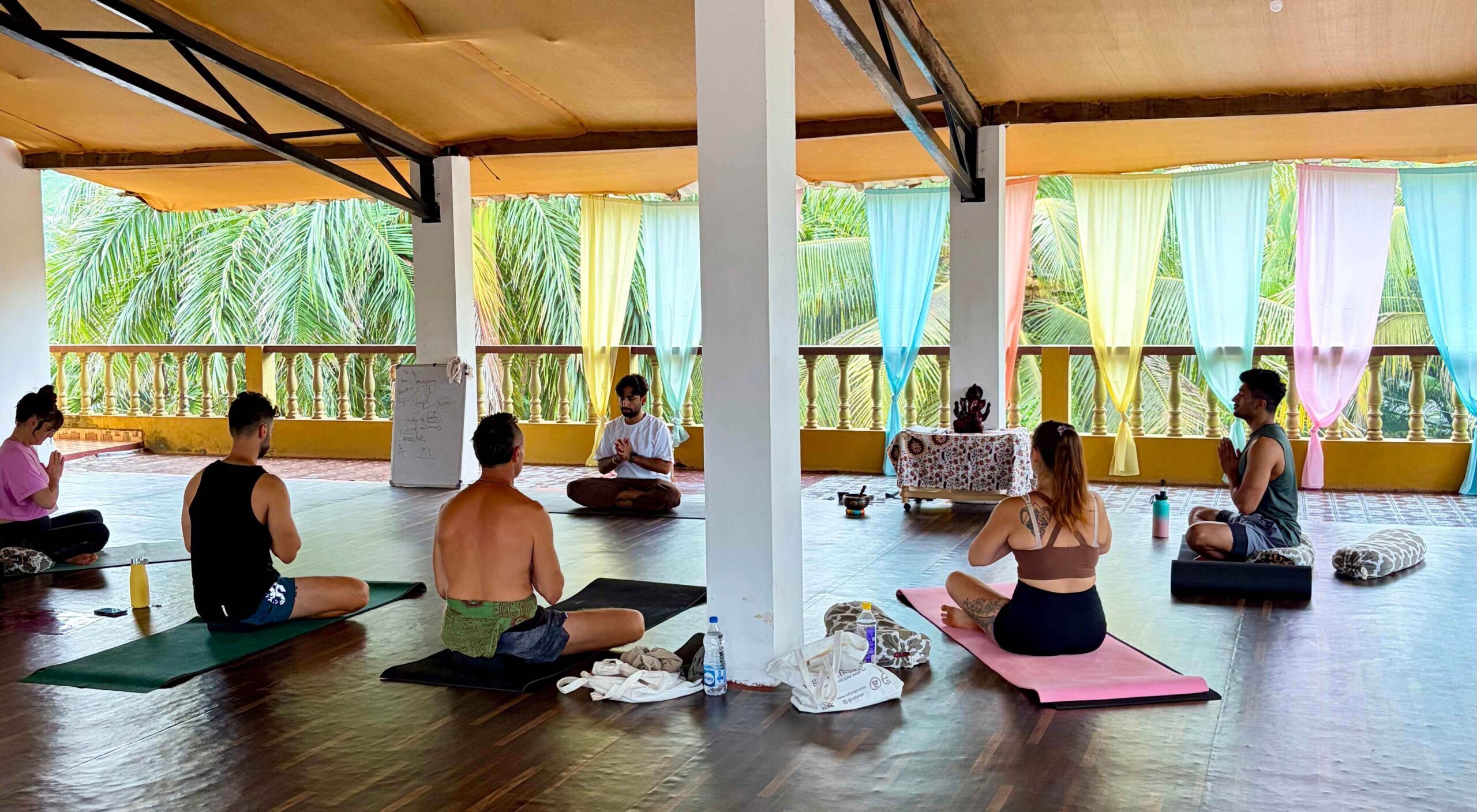
Enrolling in a 200-hour Yoga Teacher Training (YTT) in Agonda, Goa, is an important step in your yoga journey. Whether you want to become a yoga teacher or deepen your personal practice, residential training offers an opportunity to step away from everyday distractions and immerse yourself in yoga.
However, preparing for an intensive 25-day residential course can feel overwhelming. Will you be flexible enough? How will your body adjust to regular practice? What should you pack, and how can you prepare before arriving?
The good news is that you do not need to be an advanced practitioner to begin. With a little preparation, realistic expectations and an open mind, you can arrive feeling more comfortable and ready to learn.
Here is a practical guide to preparing physically, mentally and practically for your 200-hour Yoga Teacher Training at Ruh Yoga in Agonda, South Goa.
1. Physical Preparation: Build Consistency, Not Perfection
You do not need to master advanced arm balances, deep backbends or challenging postures before starting your YTT. Your training is an opportunity to develop your understanding of asana, alignment, breathing and safe practice.
In the four to six weeks before arrival, focus on establishing a comfortable routine rather than pushing your body to its limits.
Key Areas to Focus On
- Build a regular yoga practice
- If possible, practise Hatha or Vinyasa yoga regularly. Even 20–30 minutes of comfortable practice can help you establish consistency. Gradually increase the duration only if it feels appropriate for your body.
- Develop body awareness
- Pay attention to posture, balance, breathing and how your body responds to different movements. Learning to recognise your physical limits is more valuable than forcing yourself into a particular pose.
- Work on mobility gradually
- Gentle movements for the hips, shoulders, spine and hamstrings can help you feel more comfortable during practice. Postures such as Baddha Konasana (Bound Angle Pose) and gentle lunges may be useful, provided they feel comfortable and pain-free.
- Build strength progressively
- Yoga may involve supporting your body weight through the arms and shoulders. If you are new to these movements, begin with suitable variations and gentle strengthening rather than forcing yourself to hold challenging postures.
- Establish a healthy sleep routine
- If your course includes early morning practice, gradually adjusting your bedtime and waking time can make the transition easier.
Remember: Preparation is not about arriving in perfect physical condition. Prioritise regular practice, sufficient rest, hydration and recovery. Avoid suddenly increasing your training intensity just before travelling.
2. Mental and Emotional Preparation: Embrace the Beginner’s Mind
Yoga Teacher Training involves much more than physical postures. You will encounter new ideas, study yoga philosophy, learn about the body and explore meditation and self-reflection.
Approaching the course with patience and curiosity can help you get more from the experience.
How to Prepare Mentally
- Let go of comparison
- Yoga Teacher Training is not a competition. Students arrive with different levels of experience, flexibility, strength and confidence. Focus on your own progress rather than comparing your practice with someone else’s.
- Begin a simple meditation practice
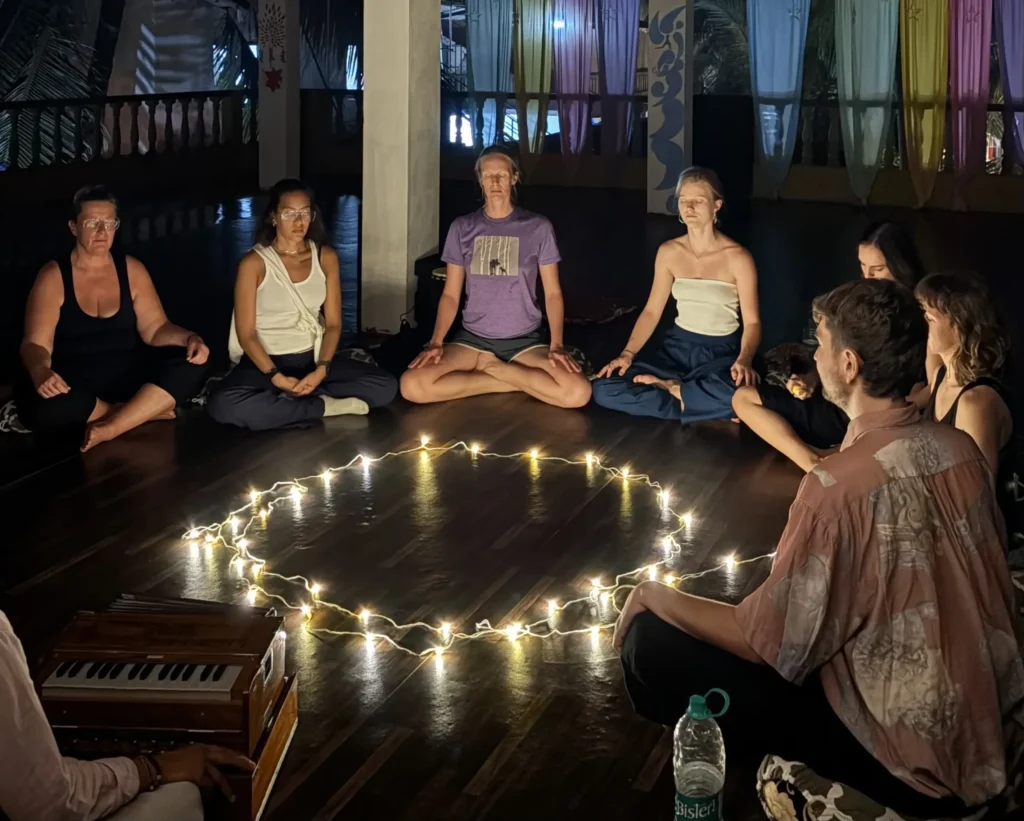
- Start with five to ten minutes of quiet sitting, mindfulness or natural breath awareness each day. You do not need to clear your mind completely. Simply learning to observe your thoughts and return your attention to the present moment is a useful starting point.
- Reflect on your intentions
- Ask yourself why you want to join a 200-hour YTT. Are you interested in teaching, developing a personal practice, understanding yoga philosophy or exploring a different way of life?
- Writing down your intentions can help you stay connected to your reasons for joining when the schedule feels demanding.
- Stay open to feedback
- Learning to teach involves observation, practice and constructive feedback. Be willing to ask questions, make mistakes and try again. Confidence develops through experience rather than perfection.
- Be ready to step outside your routine
- Residential training brings together students from different backgrounds and cultures. Living and learning together can be rewarding, but it may also require patience, flexibility and respect for different perspectives.
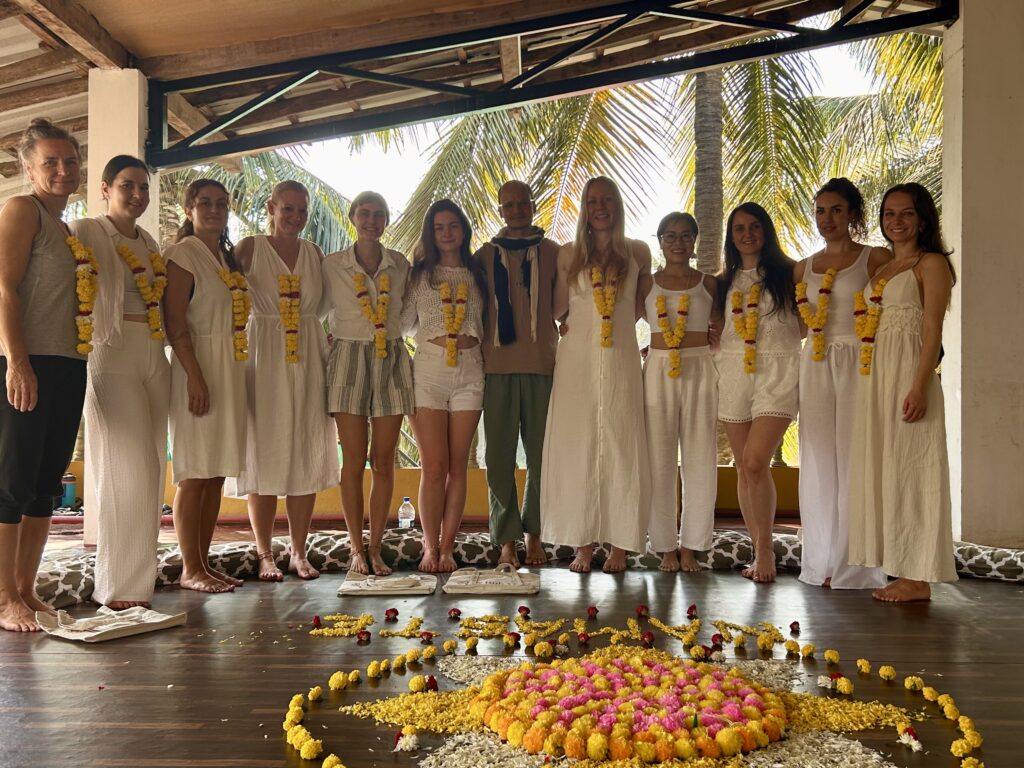
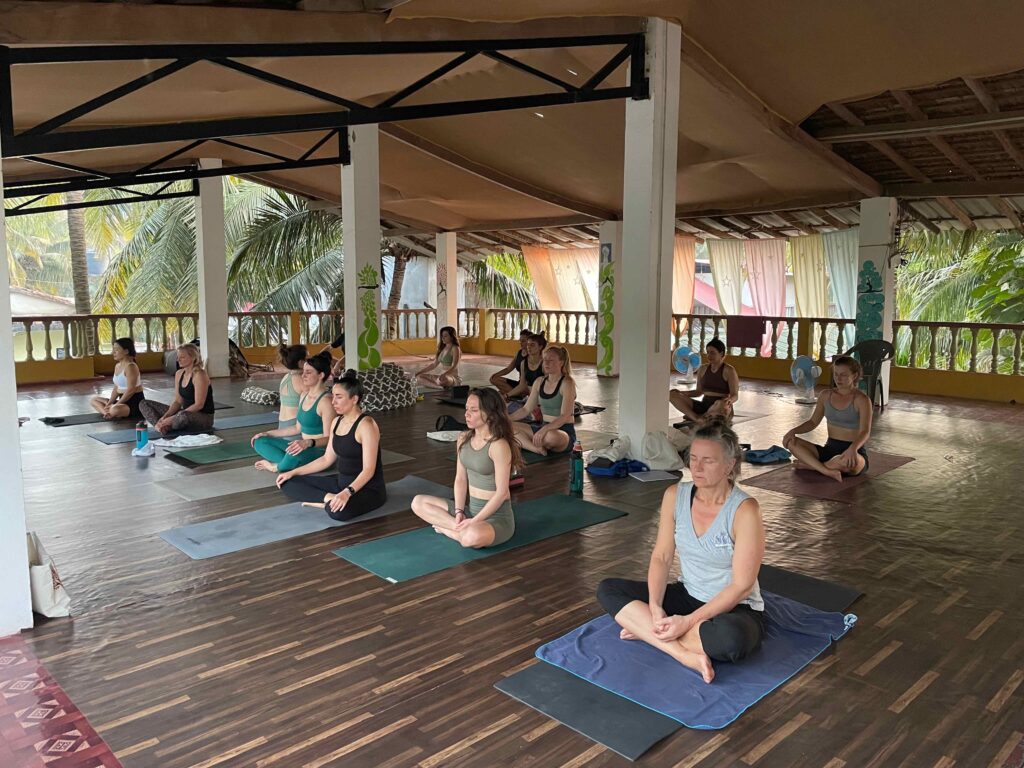
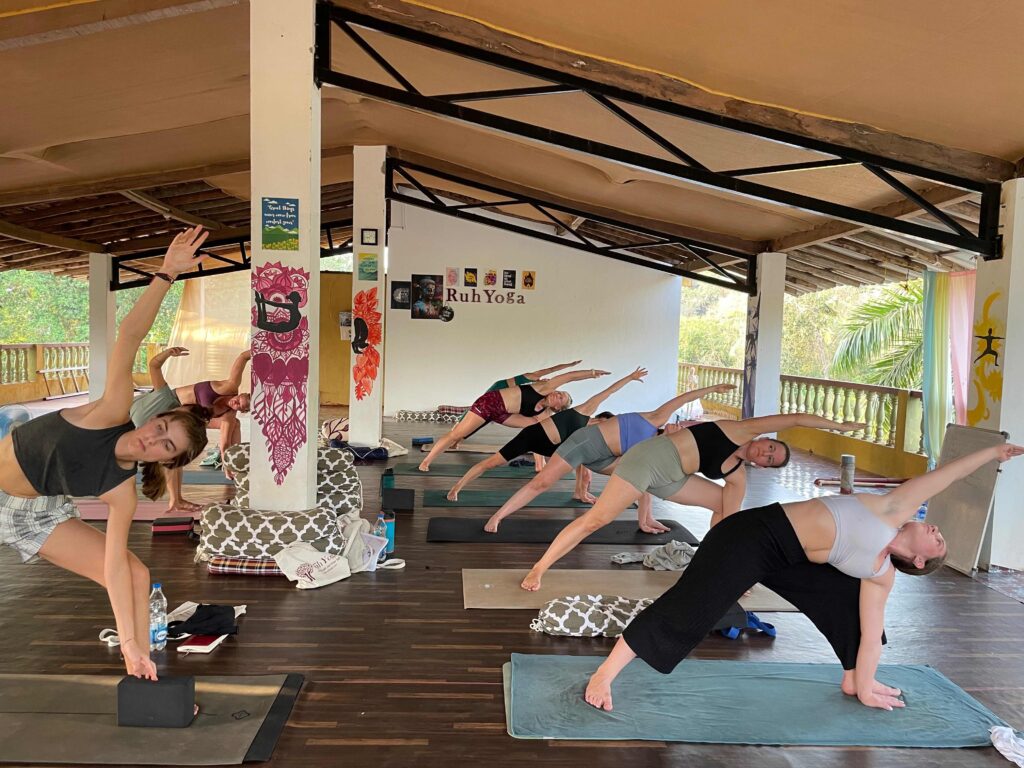
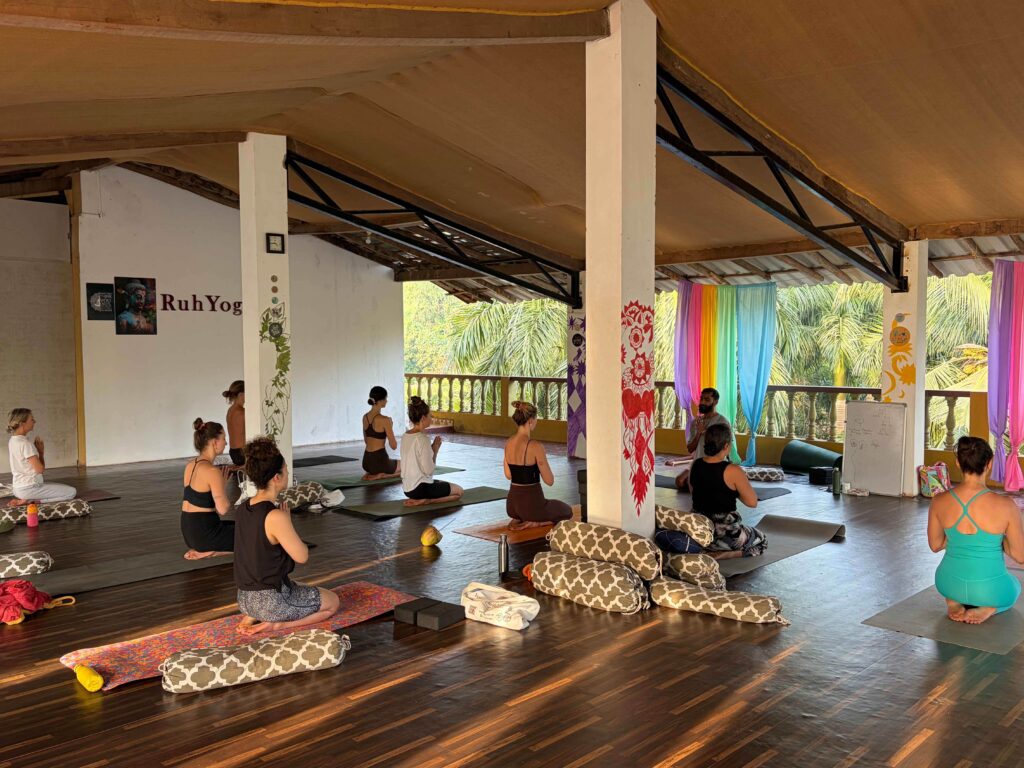
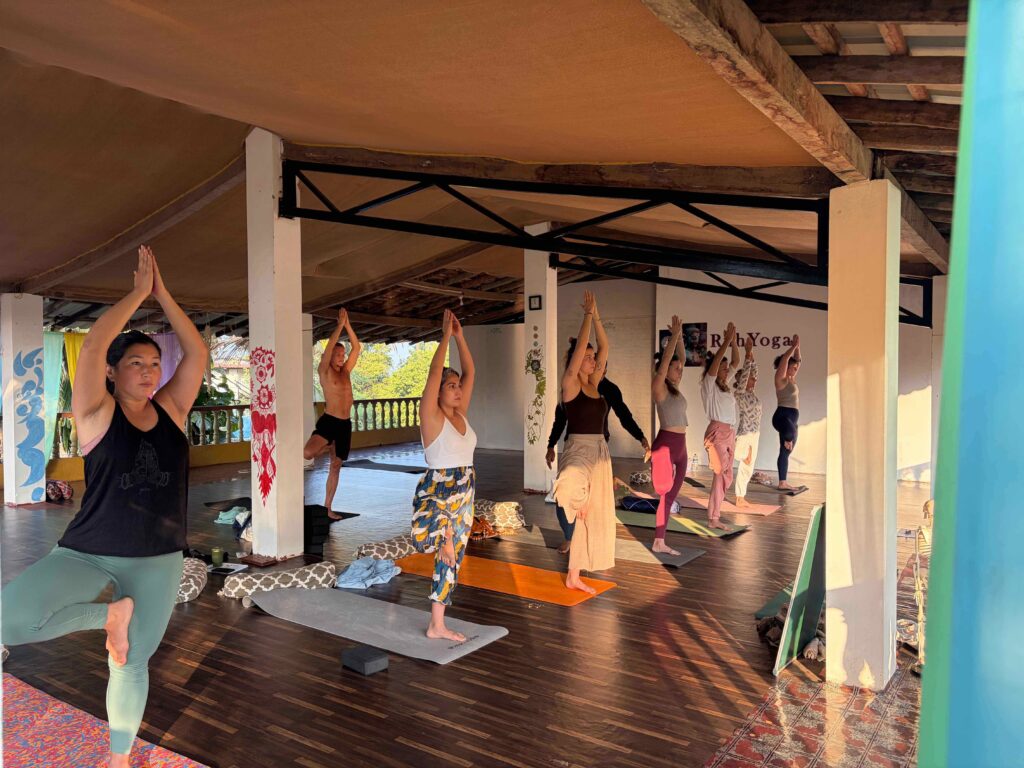
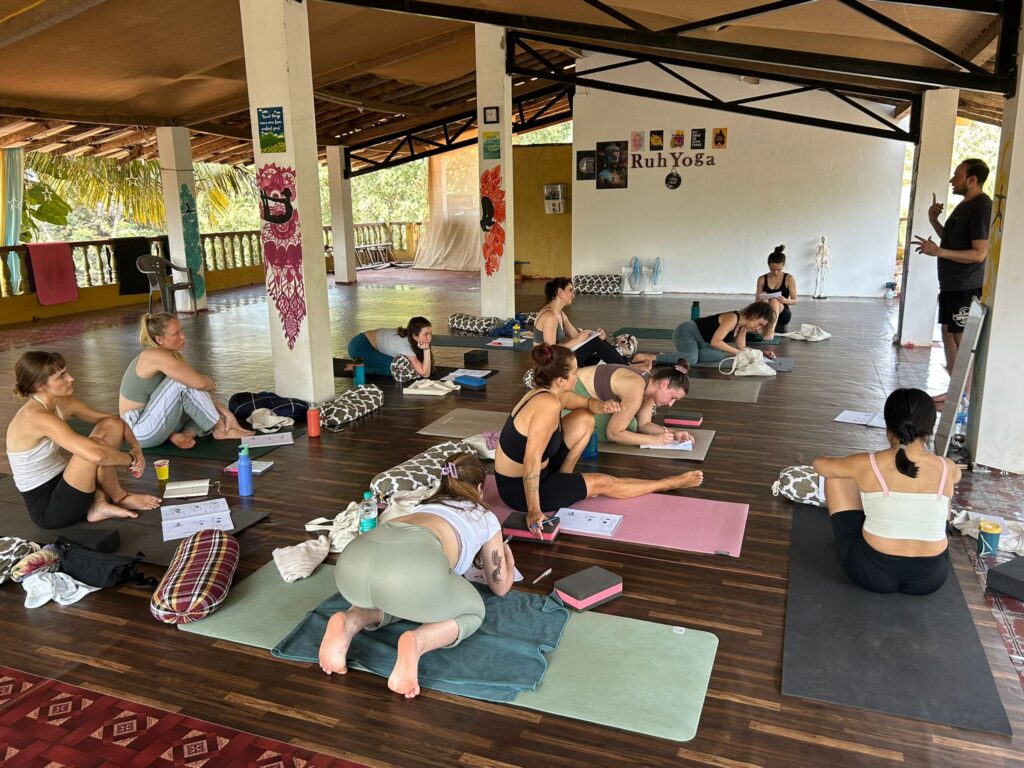
- At Ruh Yoga, small batches of approximately 12–15 students allow for a more personal learning environment. Come ready to participate, connect with others and learn at your own pace.
3. Prepare for the Academic Side of Yoga Teacher Training
A 200-hour Yoga Teacher Training is not only a physical course. It also involves classroom learning, discussion, observation and developing the skills needed to guide a yoga class. You can learn more about Yoga Alliance Registered Yoga Schools and use the directory to explore registered schools.
Your studies may include:
- Yoga philosophy: Understanding foundational concepts from traditional yoga texts and the eight limbs of yoga.
- Anatomy and physiology: Learning about the body’s structure, movement and the importance of safe practice.
- Pranayama and meditation: Exploring breathing practices and techniques for developing awareness and concentration.
- Teaching methodology: Learning how to structure a class, give clear instructions, observe students and adapt practices appropriately.
- Asana study: Developing a deeper understanding of postures, alignment, variations and their purpose.
Should You Study Before Arriving?
You do not need to learn the entire curriculum in advance. If you would like to prepare, you could read an introduction to Patanjali’s Yoga Sutras, familiarise yourself with a few common Sanskrit posture names or begin a simple meditation routine.
Bring a notebook and allow yourself to be a beginner in subjects that are new to you. The purpose of the training is to build your knowledge step by step.
4. What to Pack for Agonda, South Goa
Agonda is a coastal village in South Goa, so comfortable clothing and practical travel essentials are more useful than an extensive wardrobe.
Your YTT Packing List
Yoga and everyday clothing
- Four to five comfortable sets of yoga clothes, adjusting the quantity to your laundry arrangements.
- Lightweight everyday clothing suitable for a warm climate.
- Comfortable walking sandals or shoes.
- A light cotton shawl or layer for cooler mornings or air-conditioned spaces, if needed.
Study essentials
- A notebook and pens for class notes and personal reflections.
- A folder or suitable bag for your training materials.
- Any required reading materials specified by the yoga school.
Health and personal care
- A reusable water bottle.
- Sunscreen, sunglasses and a sunhat.
- Insect repellent.
- Personal toiletries and any medication you normally need.
- Basic personal first-aid items, if appropriate.
Travel essentials
- Passport and any required visa documents.
- Travel insurance details, if applicable.
- Course booking confirmation and accommodation information.
- Transport details and the school’s contact information.
Check with Ruh Yoga before packing yoga equipment or other bulky items, as some essentials may already be provided.
5. Prepare for Life in Agonda
Moving into a residential course is different from attending a regular yoga class at home. You will be sharing a learning environment with other students and following a more structured routine.
A few simple preparations can help you settle in.
Before travelling, confirm what your course fee includes, such as accommodation, meals, yoga equipment and training materials. Check whether transfers from the airport or railway station are included or need to be arranged separately. You can review the course details and accommodation information before finalising your plans.
Allow time to arrive and rest. Long journeys can be tiring, so plan your travel with enough time to reach the school and settle into your accommodation.
Be flexible with your routine. You may be used to choosing when to practise, eat or rest. During training, your day will follow a timetable, so being prepared to adapt can help.
Stay hydrated and eat regularly. Goa’s climate can be warm and humid. Pay attention to your body’s needs and follow the school’s guidance about meals, hydration and practice.
Make space for quiet time. Training can involve a lot of information and interaction. Allowing time to rest, reflect or take a gentle walk can help you process what you learn.
Keep realistic expectations. You do not need to understand everything immediately. Some subjects may feel familiar, while others will take time and repeated practice.
6. What to Expect During Your First Week
The first few days of Yoga Teacher Training may feel exciting, challenging or unfamiliar. You are adjusting to a new place, meeting other students, learning from your teachers and following a structured schedule.
You may experience physical tiredness as your body adapts to regular practice. You may also discover that teaching yoga requires a different set of skills from practising it yourself.
Give yourself time to settle in. Ask questions when something is unclear, listen to feedback and respect your body’s limits. If you feel pain or are concerned about a physical issue, inform your teacher rather than pushing through it.
Avoid measuring your progress against other students. The aim is to develop a sound understanding of yoga and a foundation for continued learning.
7. Your Pre-Arrival Checklist
Use this checklist in the weeks before your training begins.
Yoga Practice and Mindset
- Establish a comfortable, regular yoga practice.
- Spend a few minutes each day on meditation or breath awareness.
- Read a little about yoga philosophy if you wish.
- Reflect on why you want to join the course.
- Prioritise rest and avoid overtraining before arrival.
Travel and Accommodation
- Confirm your course dates and accommodation arrangements.
- Check your passport, visa requirements and travel documents.
- Plan your journey to Agonda, South Goa.
- Confirm your arrival time and transfer arrangements with the school.
- Keep your booking confirmation and important contact details accessible.
Packing
- Pack comfortable yoga clothing and lightweight everyday wear.
- Bring a notebook and pens.
- Pack personal toiletries, sun protection and insect repellent.
- Bring any necessary medication and essential travel items.
- Check with the school about equipment and items already provided.
Before the Course Begins
- Get adequate sleep in the days before travelling.
- Allow time to settle in after your journey.
- Review any course information sent by the school.
- Arrive with curiosity rather than expectations of perfection.
8. Common Mistakes to Avoid Before Your YTT
A little preparation can be helpful, but it is equally important to avoid putting unnecessary pressure on yourself.
- Trying to become extremely flexible: Flexibility develops gradually. Avoid forcing stretches or practising through pain.
- Overtraining before arrival: Increasing your practice too quickly may leave you tired or injured.
- Expecting to master every subject immediately: Yoga philosophy, anatomy and teaching skills take time to understand.
- Comparing yourself with other students: Focus on your own learning and progress.
- Neglecting travel preparation: Confirm your travel, accommodation and arrival arrangements in advance.
Frequently Asked Questions
Do I need to be flexible before joining a 200-hour YTT?
No. You do not need to perform advanced postures to begin. A willingness to practise, learn and respect your physical limits is more important than achieving a particular level of flexibility.
How long should I practise yoga before the course?
There is no single duration that suits everyone. If possible, establish a comfortable and consistent practice in the weeks before arrival. If you are new to yoga, start gently and increase your practice only as you feel able.
Can beginners join a 200-hour Yoga Teacher Training?
Entry requirements vary between schools. Check the specific requirements for Ruh Yoga’s course before applying, particularly if you are completely new to yoga or have physical limitations.
What should I pack for Yoga Teacher Training in Goa?
Bring comfortable yoga clothing, lightweight everyday wear, a notebook, personal toiletries, sun protection, insect repellent and any necessary medication. Confirm with your school which equipment and other essentials are provided.
How should I prepare for the daily schedule?
Try establishing a regular sleep routine, practise yoga comfortably and allow time for rest. Review the schedule provided by your school so you understand the balance of physical practice, classroom learning and self-study.
Do I need to learn Sanskrit or yoga philosophy beforehand?
No. Familiarising yourself with a few basic terms can be useful, but prior knowledge is not essential unless your school specifies otherwise. Your training will introduce and develop the concepts included in its curriculum.
Final Thoughts: Trust the Process
Preparing for a 200-hour Yoga Teacher Training in Goa does not mean arriving as the perfect yoga practitioner. It means giving yourself the time, space and willingness to learn.
Build a comfortable practice, take care of your body, prepare your travel essentials and approach the experience with an open mind. Some parts of the course may come naturally, while others may challenge you in unexpected ways. Both are opportunities to learn.
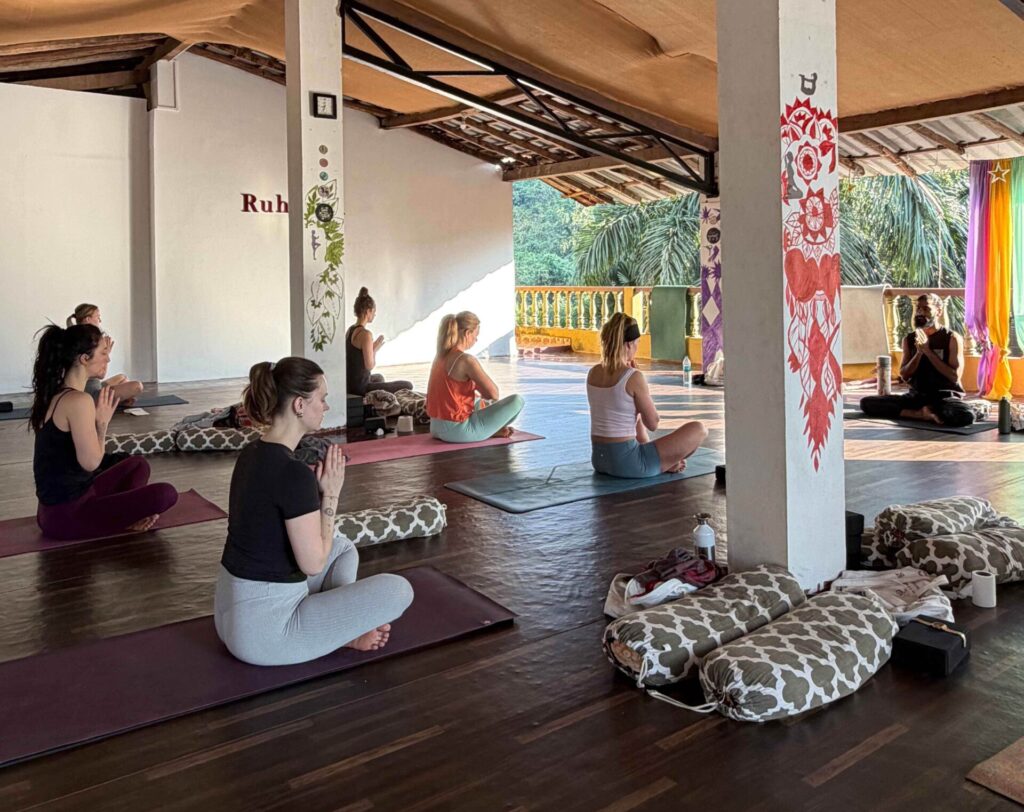
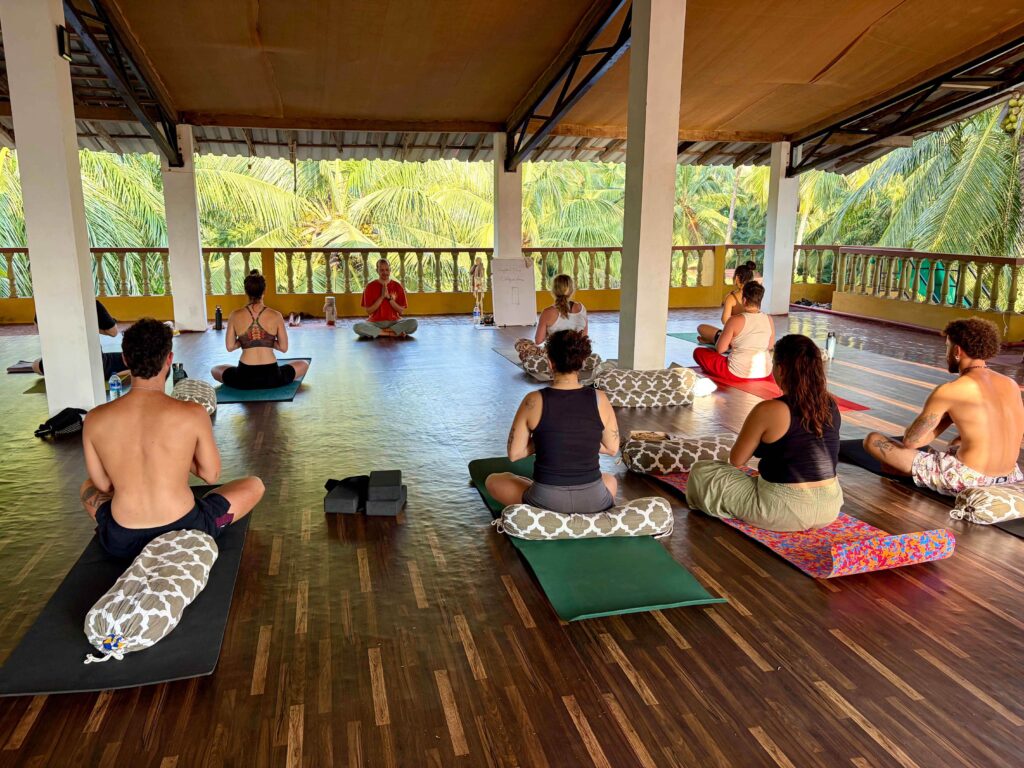
At Ruh Yoga, in Agonda, South Goa, the training combines physical practice with yoga philosophy, pranayama, meditation, anatomy and teaching methodology. Our aim is to provide a supportive learning environment where students can deepen their understanding of yoga and develop their practice progressively.
Ready to Begin Your Journey?
Explore our 200-Hour Yoga Teacher Training in Agonda, Goa and learn more about the course, schedule, accommodation and application process.
If you have questions about your experience level, preparation or suitability for the course, contact Ruh Yoga before applying.
Arrive prepared, stay curious and give yourself permission to learn one step at a time.